Parents Are Saving More—Why Many Are Overlooking Formal Investment Accounts
“You may be saving—just not in a way that makes your money work.”
#parentgoals #kidsfinance
Good news first: recent personal-finance coverage (e.g., Kiplinger, 2025) suggests more parents are putting money aside for their kids. The catch? A lot of that cash is sitting in informal places—basic savings accounts, envelopes, app “pockets,” or mental buckets—where it’s easy to raid for day-to-day needs and hard to keep growing with discipline.
This post explains why shifting even a small, steady slice into a formal account—like a UNest UTMA (custodial account)—can help you stick to the plan and give your money a better shot at working for your child’s future. No shame if you’re not there yet. We’ll keep it simple and actionable.
The problem with “good intentions in loose containers”
- Too easy to dip into. Cash in checking is one unexpected bill away from disappearing.
- No naming = no purpose. When a goal isn’t labeled and separated, it loses priority.
- Missed habit loop. Without automation, funding your kid’s future depends on willpower.
- Limited flexibility later. If you only use education-specific tools, you may be boxed in when your kid needs non-tuition help (gear, licensing, moving costs).
Why a formal account helps (in plain English)
- Separation + purpose. A UNest UTMA is clearly for your child’s benefit, not general spending.
- Automation. You can set a small recurring contribution and forget it.
- Flexibility. UTMA funds (rules vary by state) can be used for a wider range of kid expenses than education-only options.
- Visibility. Seeing a dedicated balance—named for your child—reinforces the habit for you and potential gift-givers.
Quick note: With a UTMA, the assets belong to the child, gifts are generally irrevocable, and control typically transfers at your state’s age of majority. Earnings can be taxable under “kiddie tax” rules. For specifics, consider speaking with a qualified adviser.
Illustrative scenarios (no promises, just patterns)
1) “Cash-Only Casey.”
Casey keeps “kid money” in a checking sub-account. It feels safe, but it’s easy to tap for groceries or a surprise copay. The plan slips month by month.
2) “Split-Saver Sam.”
Sam keeps a bit in savings for near-term needs and sets up a small automatic transfer into a UNest UTMA for longer-term goals. When life gets tight, Sam pauses the UTMA for a month, then resumes. The habit survives.
3) “Formal-First Frankie.”
Frankie names the account “Ava’s Future,” automates a modest amount, and shares the UNest gift link with grandparents. Occasional family contributions show up, and Frankie doesn’t need willpower to keep progress going.
UTMA vs 529 (simple, not exhaustive)
- 529 plan: tax-advantaged for education-qualified expenses; great if college is the primary goal.
- UTMA (via UNest):broader eligible uses for the child’s benefit (not just tuition), with the child typically taking control at adulthood (state rules vary).
Many families use both: 529 for education, UTMA for everything else that helps a young person launch.
Five-minute checklist to formalize your kid’s savings
- Pick a comfort amount. Small is fine (think “phone-bill small”).
- Open a UNest UTMA. Choose an investment profile aligned with your time horizon and comfort with ups/downs.
- Automate it. Transfer the day after payday so you don’t feel it.
- Name the goal. “Jordan’s Future” beats “misc.” every time.
- Invite one helper. Text your UNest gift link to a relative who wants to help but never knows what to buy.
Conversation scripts (no guilt, just clarity)
- Partner: “Let’s move a tiny weekly amount into a UNest UTMA so it doesn’t vanish from checking. We can pause if money gets tight.”
- Grandparents: “Instead of more toys, would you consider adding $10 to [Child’s Name]’s UNest account? It really helps.”
- Yourself: “I only contribute what I won’t miss. Essentials come first.”
Common worries (and calm answers)
- “What if markets dip?” That’s normal. Pick a mix you can live with. You can always adjust later.
- “What if we need the money soon?” Keep near-term funds in savings; use UTMA for longer-term kid needs.
- “I’m starting late.” No problem. Start small, automate, and invite one gift this month.
Call to action (gentle but specific)
Open a UNest UTMA and set a small, automatic contribution today.
Then send your gift link to one person who loves your kid. Small, consistent steps > big, one-time promises.
Educational only—no investment, tax, or legal advice. Earnings and principal can fluctuate. Consider consulting a qualified financial professional for your situation.
Don't just take our word for it
Hear what trusted money experts say about why UTMA and UGMA accounts can be a smart way to invest for a child’s future.
There are some tax advantages to using UGMA and UTMA accounts… Since they’re in your child’s name, the accounts will be taxed according to their tax bracket… There are no contribution limits on UGMA and UTMA accounts.
Dave Ramsey
Personal Finance Expert
Read
Tap to flip back
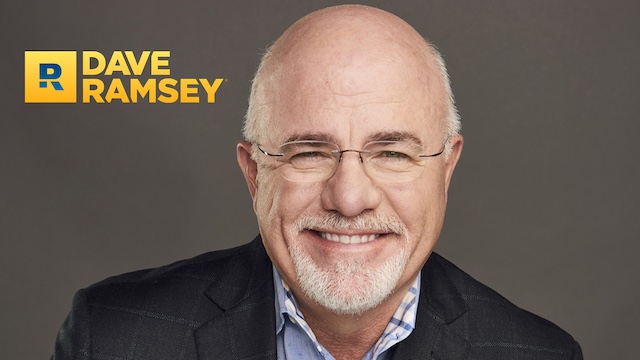
Investing for your kid’s future
Dave Ramsey
Personal Finance Expert
Tap for more
...you could consider opening an account where you can dive deeper with the kids by your side. The easiest way to do so is to open a custodial account, known as an UGMA ... or UTMA ... account.
Jill Schlesinger
Emmy winning Business Analyst
Read
Tap to flip back

Straightforward “starter” investing account for kids
JILL SCHLESINGER
Emmy winning Business Analyst
Tap for more
You can give children money that can accumulate somewhat tax-free over time... I love them (UTMAs) because they were like, trusts that you didn't need lawyers to create.... I think it's one of the better tax breaks around though. I know hunting for tax breaks may not sound very exciting, but that's how you take care of your family.
Jim Cramer
CNBC Host
Watch
Tap to flip back

Give children money that can accumulate over time
Jim Cramer
CNBC Host
Tap for more