“Buy Now, Pay Later” is moving into groceries and bills—here’s why that’s risky
“Buy Now, Pay Later” is moving into groceries and bills—here’s why that’s risky
“Buy Now, Pay Later” (BNPL) was meant for big purchases like furniture or gadgets. But more families are now using it for essentials such as groceries, utilities, and even medicine. That shift is a red flag.
BNPL’s rise
The BNPL market is booming, expected to grow 13.7% in 2025 to about $560 billion (Fintech Futures, 2025-01-15).
Its appeal is clear: small payments, no credit check, and “zero interest” if paid on time. But research shows people spend more when using BNPL (ScienceDirect, 2025-01-01).
Essentials on credit
Over half (52%) of BNPL users say they’ve used it for essentials, and 31% for groceries (Success, 2025-06-18). That means families are still paying for food long after it’s gone.
Many juggle multiple BNPL plans at once—nearly 60% report having more than one active loan (Investopedia, 2025-07-03). If payments are missed, late fees, collections, and even credit score damage can follow.
Why it matters
- Essentials disappear fast, but debt lingers.
- BNPL at checkout hides the fact you’re borrowing.
- Emergency savings may shrink as families lean on BNPL instead (Richmond Fed, 2024-12-10).
Regulators are paying attention: the UK now wants affordability checks even on loans under £50 (The Guardian, 2025-07-18).
Better options
Reserve BNPL for non-essentials, track all payment plans in one place, and keep even a small emergency fund. For long-term needs like education or a child’s first car, a savings plan is more reliable than debt.
Open a UNest UTMA and automate $25 - $50/month. Small, steady deposits may help build security without stacking short-term debt.
Wrap-up
BNPL for essentials may look like relief but often piles on stress. Building a cushion with tools like UNest can give families flexibility—without borrowing for next week’s groceries.Open a UNest Account Today
Don't just take our word for it
Hear what trusted money experts say about why UTMA and UGMA accounts can be a smart way to invest for a child’s future.
There are some tax advantages to using UGMA and UTMA accounts… Since they’re in your child’s name, the accounts will be taxed according to their tax bracket… There are no contribution limits on UGMA and UTMA accounts.
Dave Ramsey
Personal Finance Expert
Read
Tap to flip back
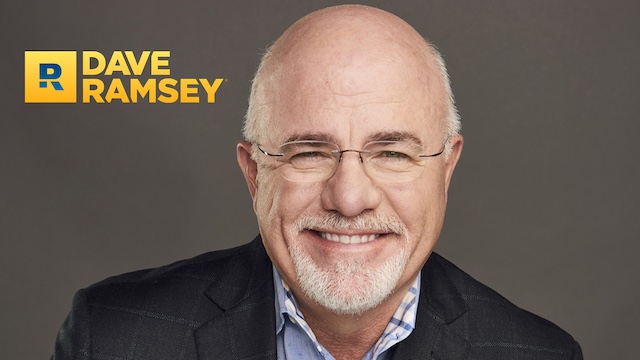
Investing for your kid’s future
Dave Ramsey
Personal Finance Expert
Tap for more
...you could consider opening an account where you can dive deeper with the kids by your side. The easiest way to do so is to open a custodial account, known as an UGMA ... or UTMA ... account.
Jill Schlesinger
Emmy winning Business Analyst
Read
Tap to flip back
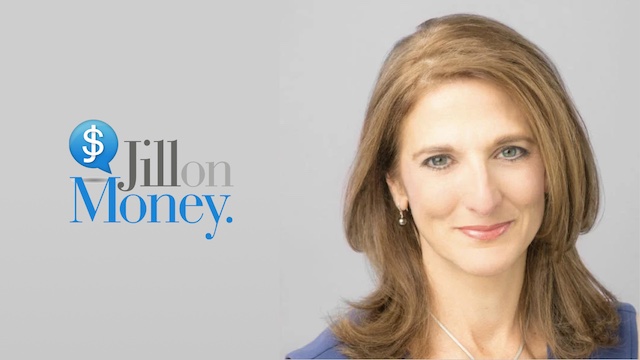
Straightforward “starter” investing account for kids
JILL SCHLESINGER
Emmy winning Business Analyst
Tap for more
You can give children money that can accumulate somewhat tax-free over time... I love them (UTMAs) because they were like, trusts that you didn't need lawyers to create.... I think it's one of the better tax breaks around though. I know hunting for tax breaks may not sound very exciting, but that's how you take care of your family.
Jim Cramer
CNBC Host
Watch
Tap to flip back

Give children money that can accumulate over time
Jim Cramer
CNBC Host
Tap for more